Pizza is simple food until it is not. A crust can be flat and forgettable, or it can carry the flavor of slow fermentation, hot ovens, balanced toppings, and a sauce that tastes like someone made it that morning instead of opening it from a bulk container. For diners in Moorpark, where meals often need to fit around school schedules, commutes, youth sports, family gatherings, and quick weeknight decisions, handcrafted pizza offers something practical and satisfying at the same time: familiar food pizza moorpark pizza moorpark pizza made with care.
The phrase “handcrafted pizza Moorpark” can sound like marketing at first glance, but the difference shows up quickly on the plate. Handcrafted pizza depends on repetition, judgment, and small decisions made throughout the day. How elastic is the dough after proofing? Is the sauce bright enough, or does it need a little more salt? Are the vegetables holding too much moisture? Did the oven recover enough heat after the last rush? These choices are not dramatic, but they shape the final pizza more than most diners realize.
A good pizza place earns trust through consistency. Not identical, factory-style sameness, but the kind of consistency that comes from doing the work fresh every day. When the dough has been mixed properly, the sauce has real tomato character, and the toppings are handled with care, the result feels different before the first bite is finished.
What “handcrafted” really means in a pizza kitchen
Handcrafted pizza does not mean every ingredient must be exotic or every topping combination must be complicated. In fact, some of the best pizzas are restrained. A cheese pizza with fresh dough, house made sauce, properly melted mozzarella, and a lightly blistered crust can say more about a kitchen than a pie loaded with twelve toppings.
In a working pizza kitchen, handcrafted usually means the dough is mixed, portioned, rested, stretched, topped, and baked by people who understand the product. They adjust as conditions change. Dough behaves differently in July than it does in January. A warm kitchen speeds fermentation. A batch of flour may absorb slightly more water than the last one. Fresh mushrooms release moisture. Pepperoni cups and crisps at one oven temperature but may lie flat at another. These details are small on their own, but pizza is the sum of small details.
There is also a tactile skill involved. Anyone who has stretched dough by hand knows it is not just a performance for customers. Dough has memory. Push it too hard and it snaps back. Rush it when it is cold and it tears. Let it sit too long and it may overproof, turning slack and fragile. A trained pizza maker feels these changes and responds. That is part of what separates handcrafted pizza from a product designed only for speed.
For Moorpark diners, the appeal is not limited to food enthusiasts. Families notice when crust has flavor. Office teams notice when pizza holds up during a lunch order. Parents notice when kids eat the crust instead of leaving it in the box. A fresh, carefully made pizza does not need an explanation at the table.
Fresh dough daily and why it changes the crust
The crust is the foundation of pizza, and fresh dough daily is one of the clearest signs that a kitchen takes pizza seriously. Dough is not just flour and water. It is a living mixture shaped by yeast, time, temperature, hydration, salt, and handling. Even a basic dough formula can produce very different results depending on whether it is mixed and managed with care.
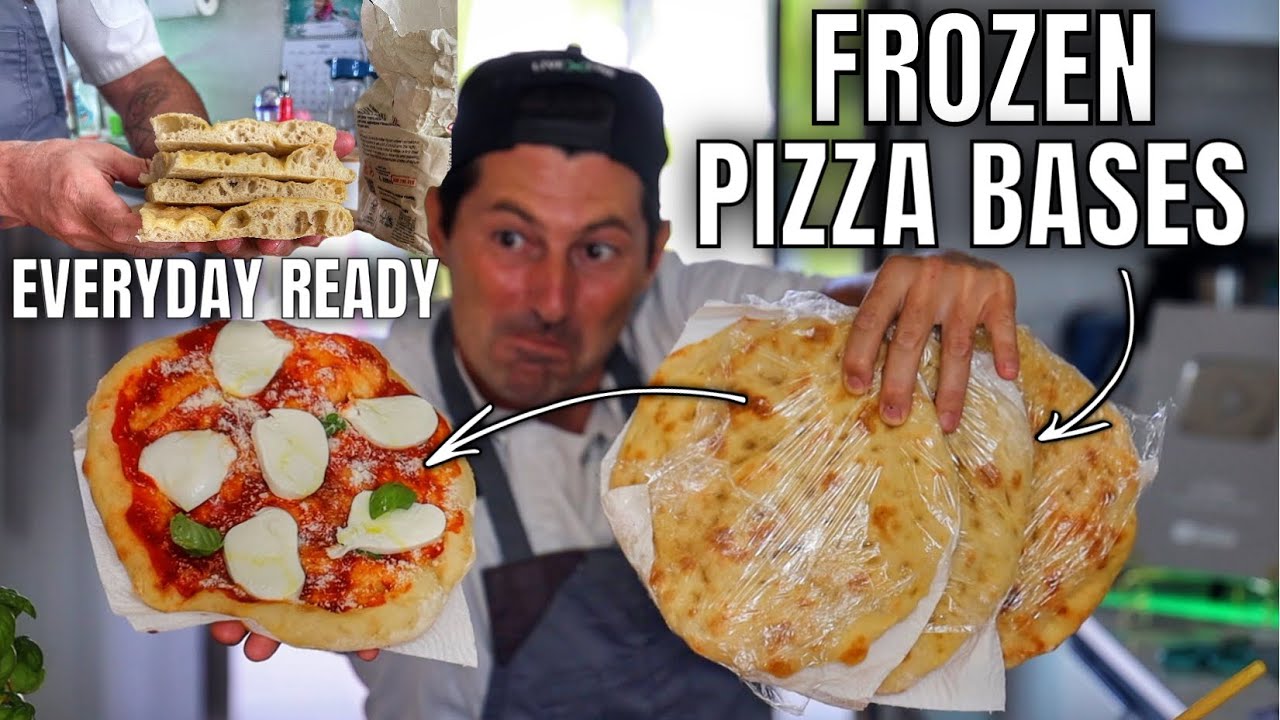
Fresh dough gives the pizza maker control. When dough is made daily, the kitchen can plan for demand, monitor fermentation, and avoid relying on frozen or overly processed bases. That does not mean all same-day dough is automatically better than dough fermented for longer. Many excellent pizza styles use a cold fermentation of 24 to 72 hours. The important point is that the dough is actively managed, not treated as an afterthought.
A dough made fresh and allowed to rest properly develops extensibility, which helps it stretch without tearing. It also develops flavor. The yeast consumes sugars in the flour and produces carbon dioxide and aromatic compounds. The result, when baked well, is a crust that has a gentle chew, a pleasing aroma, and enough structure to hold sauce and toppings without becoming tough.
There is a balance to strike. Underproofed dough can bake up dense and pale. Overproofed dough can collapse or taste overly yeasty. Dough that is too dry may feel cracker-like, while dough with too much water can be difficult to handle in a busy kitchen. A pizza maker learns to read the dough by sight and touch. The surface should look smooth, the dough ball should relax gradually, and the stretched skin should show strength without stiffness.
When diners talk about loving a certain pizza crust, they may describe it as crispy, chewy, airy, thin, soft, or charred. Underneath those preferences is dough management. Fresh dough daily allows a kitchen to keep that character dependable.
The role of house made sauce
Sauce can make or flatten a pizza. It sits between the crust and cheese, but its influence reaches every bite. A good house made sauce brings acidity, sweetness, savoriness, and aroma into balance. It should support the toppings rather than fight them.
Tomatoes vary widely. Some are naturally sweet. Some are brighter and more acidic. Some canned tomatoes have a rich, concentrated flavor, while others taste watery unless reduced. A kitchen making sauce in house has the opportunity to adjust seasoning and texture to suit its pizza style. Garlic, basil, oregano, olive oil, salt, pepper, and sometimes a small amount of sugar can all play a role, but restraint matters. Oversweet sauce quickly makes pizza taste heavy. Too much dried herb can dominate the cheese. Too much garlic can become harsh, especially after baking.
The best pizza sauce often tastes slightly more intense before baking than it does afterward. Heat softens acidity and changes aroma. Cheese contributes fat and salt. Toppings add their own character. A sauce that tastes perfect on a spoon may disappear on a finished pizza if it is too mild. On the other hand, a sauce that is sharp and salty may become overpowering once paired with pepperoni, sausage, or olives.
Texture matters too. A sauce with some tomato body clings to the dough and gives each bite depth. A watery sauce can seep into the crust and leave the center limp. A sauce that is too thick can feel pasty. House made sauce gives the kitchen room to find the right point between rustic and smooth.
For customers, the difference is usually not described in technical language. They say the pizza tastes fresher. They say it has more flavor. They say it does not feel greasy or dull. Often, the sauce is part of the reason.
Fresh pizza ingredients and the discipline behind them
Fresh pizza ingredients are not just about appearance. They affect bake, flavor, texture, and consistency. A tomato slice, a handful of spinach, roasted garlic, sliced peppers, sausage, mushrooms, olives, and cheese all behave differently under heat. The kitchen has to understand how each ingredient performs.
Vegetables are a common test. Bell peppers should taste sweet and retain some bite. Onions should soften and lightly char at the edges without turning watery. Mushrooms need careful handling because they contain a lot of moisture. If sliced too thick or loaded too heavily, they can steam the pizza from above. Fresh basil is best added at the right moment, often after baking or near the end, so it does not turn black and bitter. Garlic can be wonderful, but it burns quickly when exposed to intense heat.
Cheese is another major factor. Mozzarella provides melt and stretch, but not all mozzarella behaves the same way. Whole milk mozzarella melts richer and browns more readily. Part-skim mozzarella can offer a cleaner melt and less oil. Fresh mozzarella brings a creamy texture, but it carries more moisture and must be used with judgment. A blend may work better for certain styles, especially when the goal is even coverage and balanced browning.
Meats bring salt, fat, and seasoning. Pepperoni releases oil as it bakes. Sausage needs enough flavor to stand out but should not overwhelm the sauce. Bacon can add smoke and crunch if cooked properly, but if used carelessly, it can make the pizza greasy. Chicken is leaner and needs seasoning because it does not contribute the same fat and spice as cured meats.
Fresh ingredients require prep time. They also require storage discipline. Leafy greens need to stay crisp. Cheese must be held at proper temperatures. Dough boxes need space. Sauces need rotation. A good pizza operation depends on habits that customers may never see but can taste immediately.
How a pizza earns balance
A balanced pizza is not necessarily a light pizza, nor is it a sparse one. Balance means the crust, sauce, cheese, and toppings work together. No single element overwhelms the rest unless that is the point of a particular specialty pie.
One of the most common mistakes in pizza is overloading. Diners often think more toppings mean better value, and it is understandable. But pizza has physical limits. A crust can only support so much moisture and weight. Too much cheese insulates the sauce and prevents proper baking. Too many vegetables release steam. Too much meat can make the surface oily and salty. The pizza may look generous before it goes into the oven, then come out with a soft center and toppings that slide off in one sheet.
A skilled pizza maker thinks about distribution. Smaller amounts placed evenly often eat better than large piles scattered unevenly. Pepperoni should appear in most bites. Mushrooms should not form a wet layer. Cheese should melt into the sauce without burying every topping. The outer edge should have room to rise and brown.
There is also balance between flavor intensity and repeatability. A pizza with hot peppers, spicy sausage, garlic, onions, and extra sauce may be exciting for a few slices, but tiring by the end. A classic combination like pepperoni and mushroom works because salt, spice, earthiness, cheese, and tomato acidity meet in a familiar way. A Margherita-style pizza depends on fewer ingredients, so each one has to be better. A barbecue chicken pizza shifts the balance toward sweetness and smoke, which means the cheese and onions need to keep it from becoming one-note.
Good pizza is not accidental. It is edited.
Moorpark dining habits and why freshness matters
Moorpark has a dining rhythm shaped by local life. Weeknight dinners often happen after a commute on the 118 or after practice at a nearby field. Families may want something quick but not careless. Friends may meet for a casual meal where everyone can share. A pizza order might need to satisfy a child who wants plain cheese, a parent who wants vegetables, and a teenager who wants something spicy.
Freshness matters in that setting because pizza is often chosen for convenience, but diners still want the meal to feel worthwhile. A freshly made pizza can be both casual and carefully prepared. It travels reasonably well, feeds groups efficiently, and offers enough variety for different appetites.
Local diners also tend to remember consistency. If a pizza tastes great one Friday but arrives soggy or underbaked the next, trust fades. That is why daily preparation and ingredient discipline are so important. A restaurant can have a good recipe, but execution over hundreds of pizzas is what defines the customer experience.
A handcrafted approach also helps with customization. One person may want extra sauce. Another may ask for light cheese. Someone else may want vegetables on half and pepperoni on the other half. These requests sound simple, but they require attention. A kitchen that works hands-on with its dough and toppings can usually manage those adjustments better than one locked into rigid assembly.
The oven decides more than people think
A pizza oven is not just a heat source. It is an active part of the cooking process. The same dough and toppings can produce very different results depending on oven type, temperature, deck heat, airflow, and timing.
Deck ovens provide strong bottom heat, which helps build a crisp crust. Conveyor ovens offer consistency and speed when properly calibrated. Wood-fired and gas-fired high-temperature ovens can create blistering, char, and rapid bake times, though they require careful handling. Each oven has strengths and compromises. What matters is whether the pizza style matches the equipment.
Heat recovery is a real issue during busy periods. When many pizzas enter the oven in quick succession, the baking surface can lose heat. If the kitchen does not adjust, crusts may bake paler and softer. During slower periods, the opposite can happen, with pizzas browning faster than expected. Experienced cooks watch color, cheese melt, and crust structure rather than relying only on a timer.
Bake time affects moisture. A pizza pulled too early may look melted on top but have an underdone center. A pizza left too long may dry out or develop bitter spots. The sweet spot depends on dough thickness, sauce amount, cheese coverage, and toppings. A thin cheese pizza may bake quickly, while a heavily topped combination pizza needs enough time for heat to penetrate without scorching the crust.
The oven is where preparation either pays off or exposes mistakes. Properly fermented dough rises. Well-drained toppings roast instead of steam. Balanced sauce thickens slightly and blends with cheese. When the oven work is right, the pizza arrives with structure, aroma, and color.
What diners can look for in a fresh, handcrafted pizza
Most people know good pizza when they taste it, but a few signs can help identify whether a kitchen is working with care. The crust should have color, not just dryness. Pale crust often suggests low heat or underbaking, while a crust that is uniformly hard may have dried out rather than developed crispness. The bottom should support the slice without feeling like cardboard.
The sauce should taste alive. That does not always mean chunky or heavily seasoned. It means the tomato flavor is present, with enough acidity to cut through the cheese. If every bite tastes only like salt and fat, the sauce may be too weak or the toppings may be out of balance.
Cheese should melt smoothly and brown in places, depending on style. Some oil is normal, especially with pepperoni or whole milk mozzarella, but pools of grease can signal too much cheese, low-quality toppings, or an unbalanced bake. Toppings should look integrated rather than dumped on afterthought-style.
A good slice also changes as it cools. The first bite is hot and aromatic, but the second slice tells another story. Does the crust keep some chew? Does the sauce still come through? Are the toppings pleasant once the initial heat fades? Better pizzas tend to hold their character longer.
Freshness does not mean perfection in a sterile sense. A hand-stretched crust may have slight variation. One edge may puff more than another. Cheese may brown differently around the surface. Those irregularities can be part of the appeal when the fundamentals are sound.
Classic pizzas still reveal the most
Specialty pizzas get attention, but classics reveal the craft. A plain cheese pizza leaves nowhere to hide. The dough, sauce, cheese, and bake quality stand on their own. If the crust lacks flavor, there is no spicy sausage to distract from it. If the sauce is flat, the whole pizza tastes flat. If the cheese is rubbery or oily, every bite shows it.
Pepperoni is another benchmark. The topping should add spice and savory depth without turning the pizza greasy. The edges may curl and crisp, depending on the pepperoni style. The sauce should still be noticeable beneath the salt and fat. The crust should be sturdy enough to carry the oil released during baking.
A vegetable pizza tests moisture management. Fresh pizza ingredients like mushrooms, tomatoes, spinach, onions, and peppers can make a pie colorful and flavorful, but they need the right proportions. A well-made vegetable pizza should taste abundant without feeling wet. The crust should remain intact, and the vegetables should retain individual flavor.
Combination pizzas test restraint. With several meats and vegetables, balance becomes harder. The kitchen has to portion carefully so the pizza bakes through. Too often, combination pizzas become heavy because every topping is applied as if it were the main ingredient. A better approach treats the whole pizza as one composition.
Takeout, delivery, and the reality of steam
Pizza changes the moment it goes into a box. Steam rises from the crust and toppings, then hits the cardboard lid and circulates. Even a perfectly baked pizza can soften during transport if the box is closed too long. This is not a failure of craft. It is physics.
Restaurants can help by baking properly, using boxes that vent modestly, and avoiding excessive moisture in toppings. Diners can help too. If eating at home, opening the box for a minute can release steam, though it also cools the pizza faster. For longer drives, a crisp crust will naturally soften somewhat. A few minutes in a hot oven at home can revive the bottom, especially on a preheated sheet pan or pizza stone.
Certain pizzas travel better than others. A cheese or pepperoni pizza usually holds up well. A heavily topped vegetable pizza may soften more because of moisture. Fresh tomato, extra sauce, and fresh mozzarella can be delicious but less travel-friendly. That does not mean diners should avoid them. It simply means expectations should match the style.
For Moorpark customers picking up dinner after a busy day, timing matters. Pizza is best close to the time it leaves the oven. If a customer arrives twenty minutes late, even a great pizza will not show at its best. Good restaurants try to time orders accurately, but peak hours can create pressure. A little communication helps, especially for large orders.
Pairing pizza with the occasion
Handcrafted pizza fits many occasions because it can be casual without feeling careless. A family dinner may call for a large cheese pizza, a pepperoni, and a salad. A small gathering might benefit from two contrasting pies, one classic and one vegetable-forward. A work lunch may need pizzas that are easy to share, not overloaded, and comfortable at room temperature for a short period.
For children, simple pizzas often work best. Fresh dough and house made sauce can improve even the most basic cheese slice. For adults, balance and variety matter more. A spicy meat pizza pairs well with a cleaner vegetable option. A white pizza or garlic-based pie can be satisfying, but it helps to include a tomato-based pizza as a contrast. If ordering for a group, it is usually wise to keep at least one pizza familiar.
Dietary preferences also shape the order. Vegetarian diners often appreciate a pizza where vegetables are treated thoughtfully, not as a token topping. People who prefer lighter meals may choose thin crust, lighter cheese, or vegetable toppings. Those who want a heartier dinner may lean toward sausage, pepperoni, or extra cheese. The best pizza places can guide customers without making the process feel complicated.
A good rule from years around pizza counters is that variety beats excess. Three well-balanced pizzas usually serve a group better than two overloaded ones. Guests enjoy distinct flavors, slices are easier to handle, and the crusts bake better.
A short guide to ordering better pizza
A few practical choices can make a noticeable difference, especially when ordering for several people or taking pizza home.
These are not strict rules. They are habits that tend to produce better results. Pizza is forgiving, but it rewards small decisions.
Why daily preparation builds trust
Daily preparation is not glamorous. It means mixing dough when the kitchen is quiet, chopping vegetables before the rush, checking sauce levels, rotating ingredients, cleaning work surfaces, and preparing for demand that may or may not arrive exactly as expected. It is repetitive work, and that repetition is where quality lives.
Fresh dough daily requires planning. If the restaurant underestimates demand, it may run short. If it overestimates, it risks waste. House made sauce also best pizza in Moorpark takes labor and consistency. Someone has to follow the recipe, taste it, cool it safely, store it correctly, and use it within the right window. Fresh pizza ingredients need similar attention. Lettuce for salads, basil for finishing, mushrooms for slicing, onions for topping, and meats for portioning all require time.
The trade-off is clear. A kitchen that prepares more from scratch has more variables to manage. A kitchen that relies heavily on pre-made components may be easier to run but often gives up flavor and character. Diners may not see the labor directly, yet they notice when a pizza tastes cared for.
There is also pride involved. People who make dough every day tend to develop opinions about it. They know when it feels right. They know when a batch is moving too fast. They know which toppings slow down the bake and which combinations customers order again and again. That kind of practical knowledge cannot be faked with slogans.
The local value of a dependable pizza place
A dependable pizza place becomes part of a community’s routine. It feeds birthday parties, team celebrations, casual dates, Friday movie nights, quick lunches, and evenings when cooking at home is not realistic. Moorpark diners do not need pizza to be fancy every time. They need it to be good, fresh, and reliable.
Handcrafted pizza serves that role well because it respects both convenience and quality. It does not ask diners to treat dinner like a formal event. It simply gives them a better version of something they already enjoy. Fresh dough daily improves the crust. House made sauce gives the pizza identity. Fresh pizza ingredients bring color, texture, and flavor. Human judgment ties everything together.
There is room in the pizza world for many styles: thin and crisp, thick and airy, foldable, square-cut, tavern-style, New York-inspired, California vegetable-forward, and hearty family-style pies. The common thread is care. When the people making the pizza understand their ingredients and their oven, the style becomes less important than the execution.
For anyone searching for handcrafted pizza Moorpark diners can enjoy regularly, the best signs are not complicated. Look for crust with character, sauce with brightness, toppings handled with restraint, and a kitchen that values freshness as a daily practice rather than a special claim. Pizza made that way does not need much decoration. It tastes honest, and it keeps people coming back.
Lemmo's Pizzeria
4223 Tierra Rejada Rd, Moorpark, CA 93021Phone: (805) 553-6667
Website: lemmospizzeria.com